Dating back thousands of years to the creation of cave paintings, art has always been a powerful form of self-expression. However, with a rise in cell phones and the creation of AI, art students have felt less appreciated and pushed aside. In recent years, there has been a decline in art education, a reduction of funds for art programs nationwide, and dwindling participation in art-related events.
According to a poll conducted by the “Americans for the Arts”, a non-profit organization whose purpose is to bring recognition and value to the arts, found that 70% of American adults agree that the arts help students perform better academically. However, the importance of maintaining arts education as well as participation in the arts has noticeably declined in recent years. In the same poll, only 52% of American adults believe students have enough opportunities to access some type of art class. Between 1992 and 2008, arts education for young adults dropped, especially among low-income, black, and Hispanic children.
Many believe that the accessibility to creative arts is inconsistent, which leaves some children unable to gain that kind of self-expression.
“The art programs give a place for kids to fit in, a place to express themselves, a place to try new things. It should be a safe place for them to figure out what they’re good at. It’s a safe opportunity for you to challenge yourself, to build your confidence, to build meaningful friendships, to teach yourself discipline,” said Elizabeth White, dance teacher.
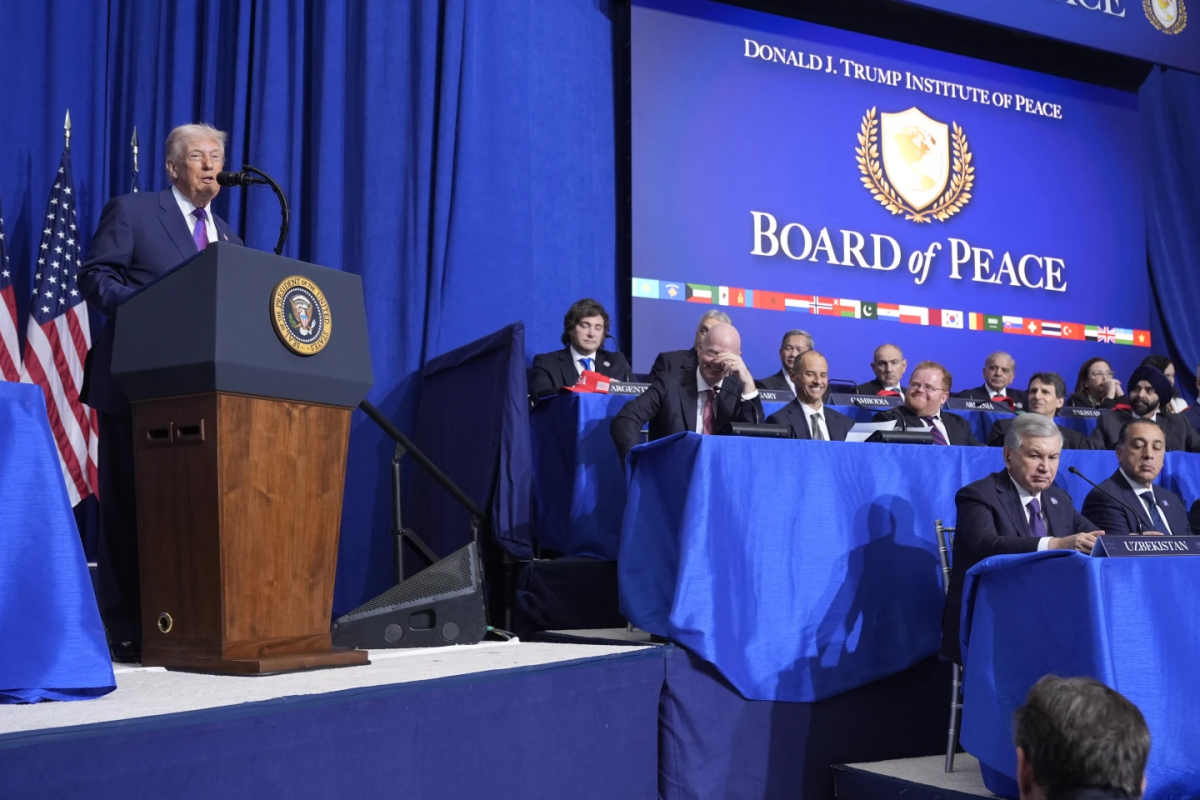
During its second term, the Trump administration proposed to completely stop federal funding for art organizations, including the National Endowment for the Arts (NEA). The administration claims that these funding cuts help reduce waste as they are deemed “non-essential”. In response to this, the NEA changed its policies, which ultimately led to a total of $27 million in grants being rescinded from various programs. This, alongside the decrease in arts education, has thoroughly affected the recognition of these institutions and culminates in students, as well as professionals, feeling undervalued and having an inadequate amount of resources for their projects.
Local art classes and programs continue to work as best they can despite the challenges they’re currently facing. The programs and schools that do still receive funding are still at a point where they have to stretch out the money they have. While immensely grateful, accommodations have to be made to ensure that each student can participate in art projects.
“I think our school and district have made meaningful progress in recognizing the value of the arts, and I’m genuinely thankful for the support we’ve received. At the same time, the arts often serve large numbers of students with materials that get used up quickly, so even with a budget increase, the needs grow right alongside the program. Continued investment helps keep our classes innovative, safe, and accessible to all students,” said Jordan Anson, art and ceramics teacher.
To fight against the current funding cuts against large art organizations, “Americans for the Arts” strongly urges the public to connect with their local elected officials, as well as share personal stories about the impact the arts have made on their lives.
“America’s strength lies in its cultural richness, creativity, and innovation. Now more than ever, Congress must defend and restore the NEA to ensure the arts remain accessible to all Americans. Americans for the Arts will continue to work with Members of Congress to share how these proposed cuts would harm their constituents and weaken the fabric of our nation,” according to the Americans for the Arts website.